Cargo Control: Ratchet Straps and Winch Straps for Flatbed Trucks
How to Use Cargo Control Gear Safely: Best Ratchet Straps, Inspections, and Choosing Between Ratchet and Winch Straps
Using the right cargo control gear keeps freight secure. This helps prevent load shifts, fines, and accidents. Improper securement leads to over 20 percent of commercial vehicle citations. In this guide, you will learn how to use ratchet straps safely. You will also learn how to inspect and maintain your gear. We will help you choose the best 2-inch ratchet straps. You will compare winch straps and ratchet straps. You will learn advanced flatbed tie-down techniques. Finally, we will show you how to ensure your gear lasts a long time. Each section provides clear definitions, easy steps, and expert tips. These will help truck drivers and small fleet owners transport loads confidently. Drawing on over 50 years of combined industry experience, the experts at American Xpert have honed these practices to ensure maximum safety and efficiency.
The best way to prevent cargo shift and accidents is to follow the basics. Always use the right strap for your load. Check your gear before every trip. Secure the load from multiple angles to stop movement. After 20 years of manufacturing cargo control equipment, I can tell you that accidents rarely come from one big failure—they come from cutting corners on the small details.
— American Xpert team of experts
Choosing the right gear is not just about meeting basic needs. It is about matching the equipment to the weight, shape, and conditions of your load. In two decades of building cargo control products, I’ve seen how the wrong strap or hook can turn a secure haul into a dangerous risk. The right gear is the first step to a safe trip.
— American Xpert team of experts
How Do You Use Ratchet Straps Safely for Cargo Securement?
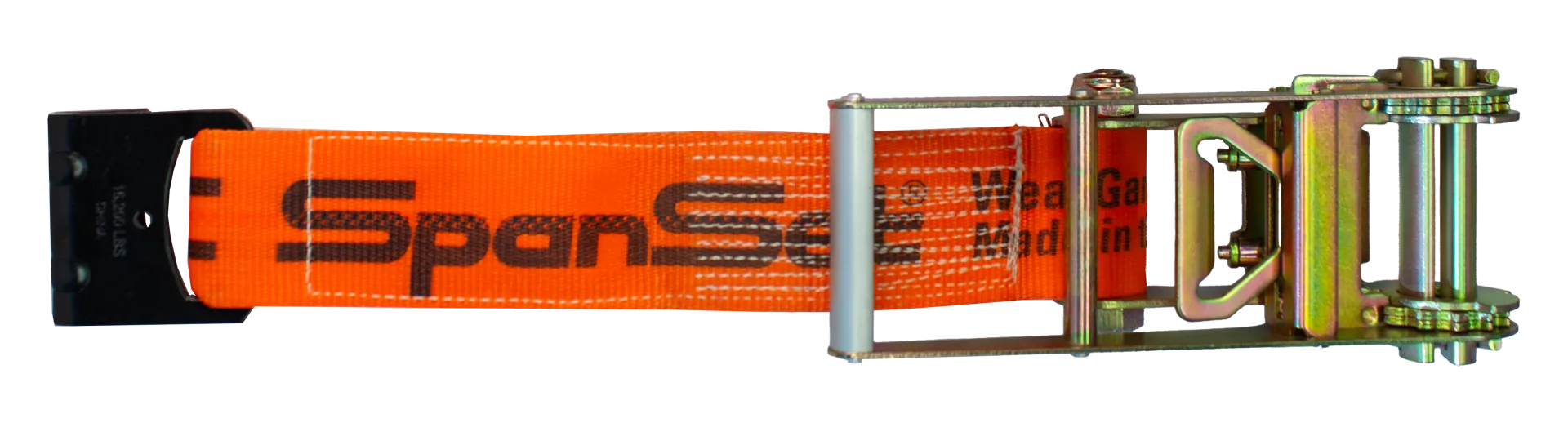
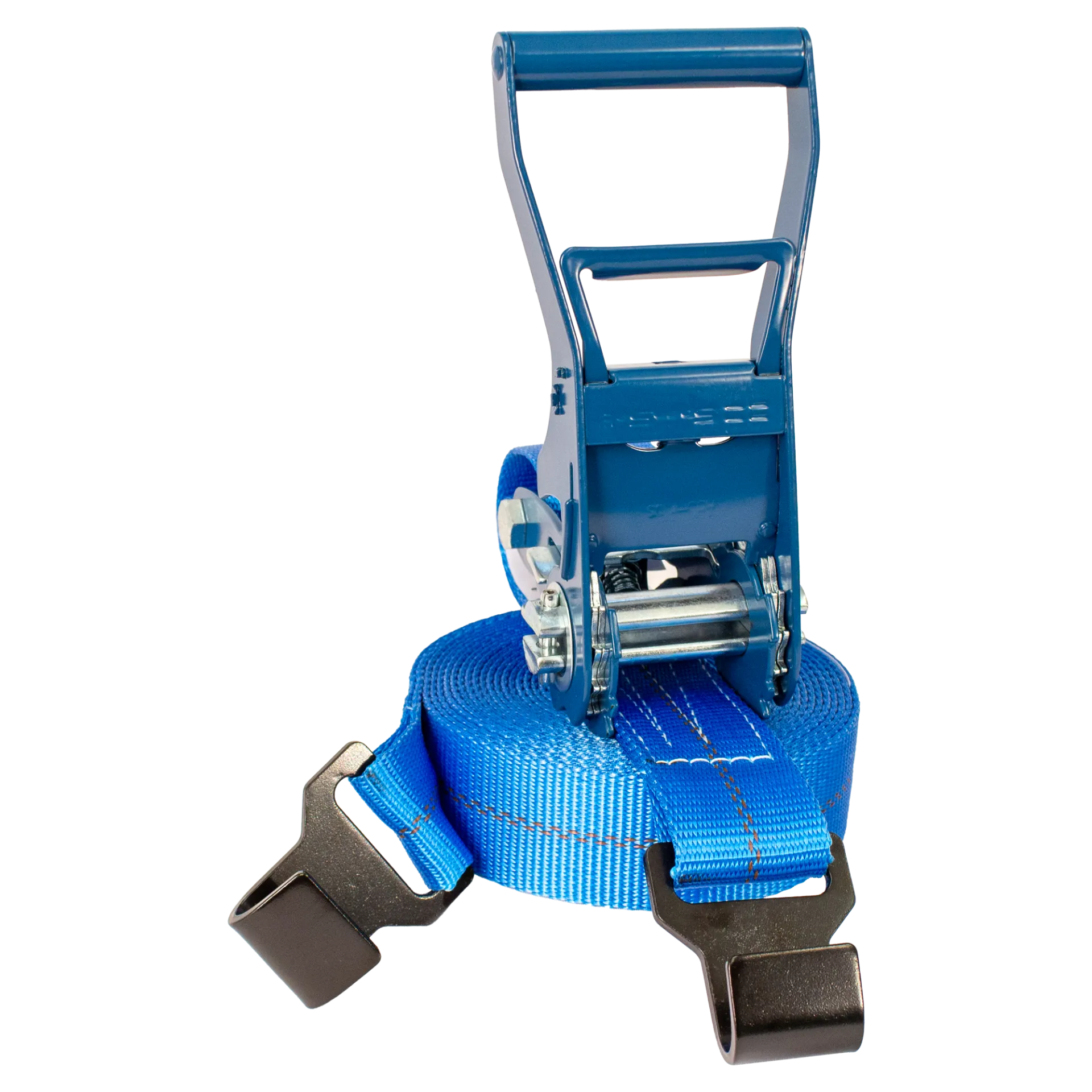
A ratchet strap is a tie-down device consisting of polyester webbing, end fittings, and a ratcheting buckle that secures cargo by tensioning the webbing. Using ratchet straps correctly prevents cargo shift, damage, and road hazards. For example, properly tensioned straps on a flatbed trailer can reduce lateral load movement by up to 90 percent, improving road safety and compliance.

What Are the Step-by-Step Instructions for Using Ratchet Straps?
Follow these five critical steps to secure cargo with a ratchet strap:
- Inspect strap components for frays, cuts, or bent fittings before use.
- Position the strap over the load so webbing lies flat and avoids twisted sections.
- Attach each hook to a secure anchor point on the trailer frame or stake pocket.
- Feed the free end of the webbing through the ratchet’s mandrel, pull to remove slack, and engage the ratchet handle.
- Pump the ratchet handle until the strap reaches recommended tension (no more than 50 percent of breaking strength).
These steps ensure maximum tension and safe load securement, leading into how you inspect straps for wear.
How Do You Inspect Ratchet Straps for Damage and Wear?
Inspect ratchet straps regularly to detect compromised gear:
- Examine webbing for abrasions, UV damage, or chemical stains.
- Check end fittings and hooks for deformation, corrosion, or cracks.
- Operate the ratchet mechanism to ensure smooth, unrestricted movement.
- Verify labels and WLL (Working Load Limit) tags remain legible.
Routine inspections identify faults early and prevent gear failure, which leads to safety practices that further reduce risk.

What Safety Tips Prevent Cargo Shift and Accidents?
Beyond proper installation, follow these best practices to stop cargo movement:
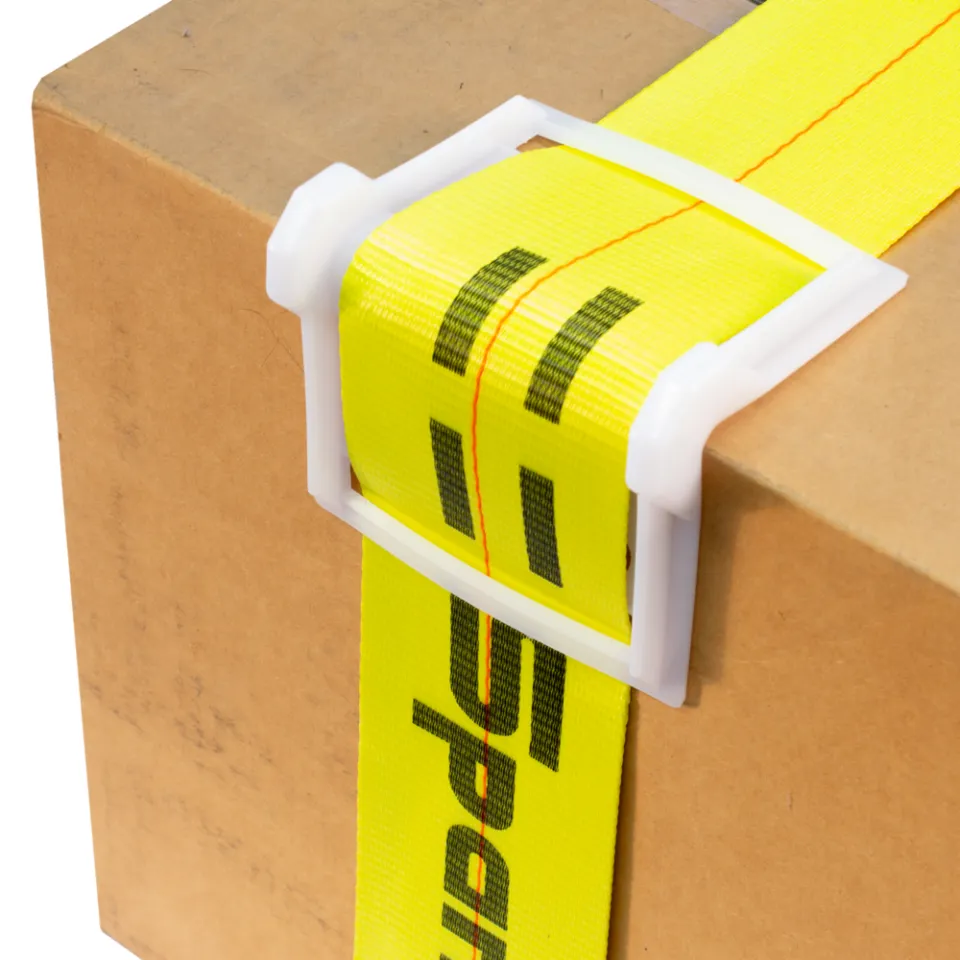
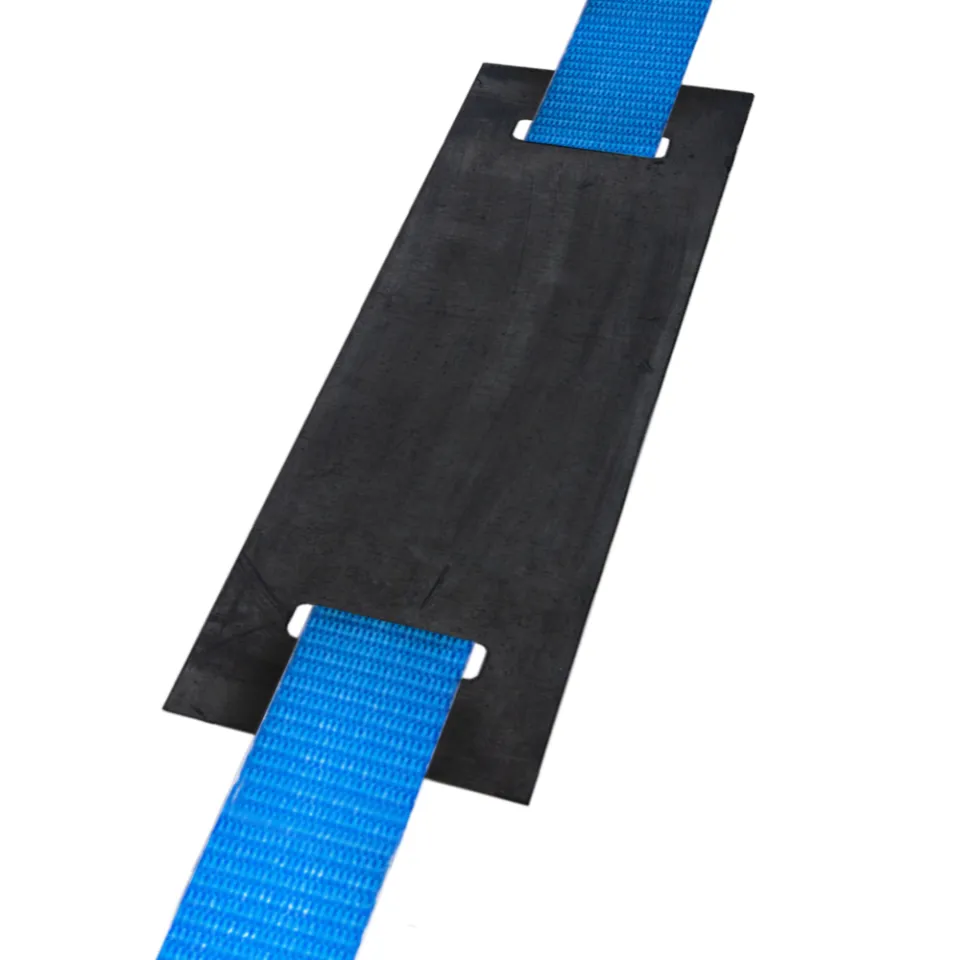
- Use edge protectors to prevent webbing wear on sharp corners.
- Distribute tie-down points evenly to balance load pressure.
- Cross-strap irregular loads for lateral stability.
- Retension straps after the first 50 miles to compensate for stretch.
Implementing these measures keeps cargo firmly in place and transitions into understanding load capacity limits.
What Are the Best Heavy Duty Ratchet Straps for Your Cargo?
Choosing high-quality ratchet straps optimizes safety and durability for your specific freight. Strong straps resist wear, UV damage, and repeated stress. This makes them important for tough jobs like moving machinery or securing trailers.
Which Features Define High-Quality 2-Inch Ratchet Straps?
Premium 2-inch ratchet straps share these attributes:
- Polyester webbing with UV protection to resist sun degradation.
- Reinforced stitching patterns that increase breaking strength by 30 percent.
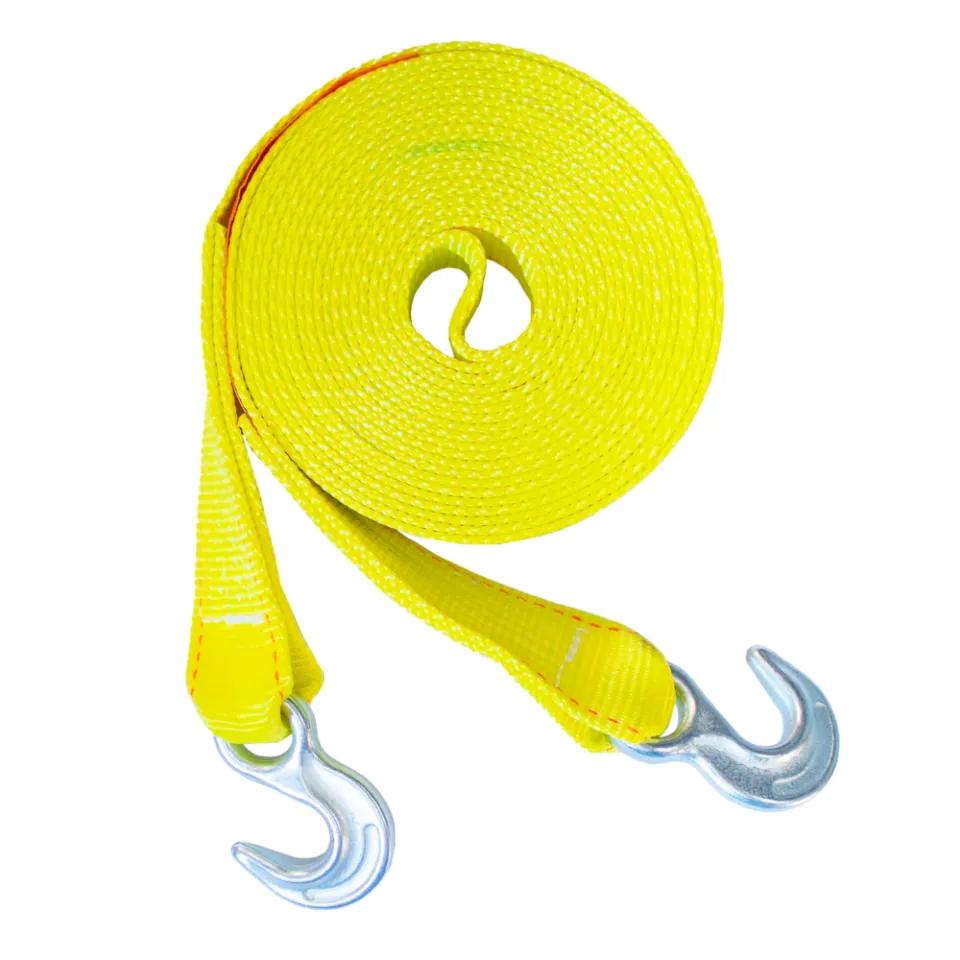
- Galvanized flat hooks or S-hooks for secure anchor points.
- Ergonomic ratchet handles equipped with release latches for quick loosing.
These features provide dependable load control in different weather and road conditions. This shows how American Xpert’s products meet these standards.
How Do American Xpert’s LoadGard 22138 Ratchet Straps Meet Safety Standards?
American Xpert’s 2-inch Ratchet Strap Heavy Duty Cargo Control Tie-Down LoadGard 22138 combines industry-leading materials with rigorous testing:
- WLL of 10,000 lbs and breaking strength of 30,000 lbs.
- WSTDA and DOT compliance for professional hauling.
- Double-bar ratchet mechanism rated for over 1,000 cycles without failure.
- Color-coded tension indicators to confirm proper preload.
These specifications ensure your cargo securement aligns with FMCSA requirements and heavy-duty performance needs.
How to Choose Ratchet Straps Based on Cargo Type and Weight?
Select straps according to load characteristics:
- For heavy machinery, opt for 3- to 4-inch webbing with reinforced hooks.
- For palletized goods, use multiple 2-inch straps rated above pallet weight.
- For irregular shapes, choose straps with adjustable end fittings or daisy-chain loops.
Matching strap width, WLL, and end fitting to cargo specifics maximizes securement and prepares you for when winch straps may be a better option.
Winch Strap vs Ratchet Strap: Which Cargo Control Gear Is Best for You?
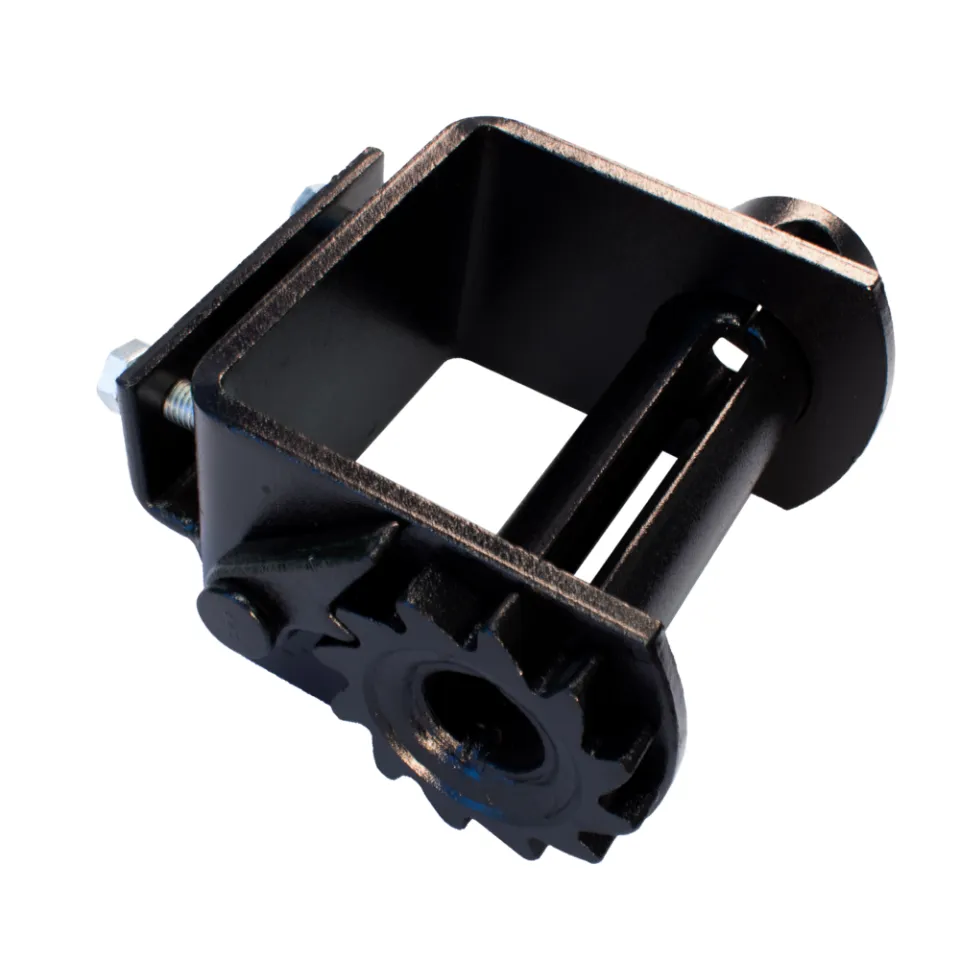
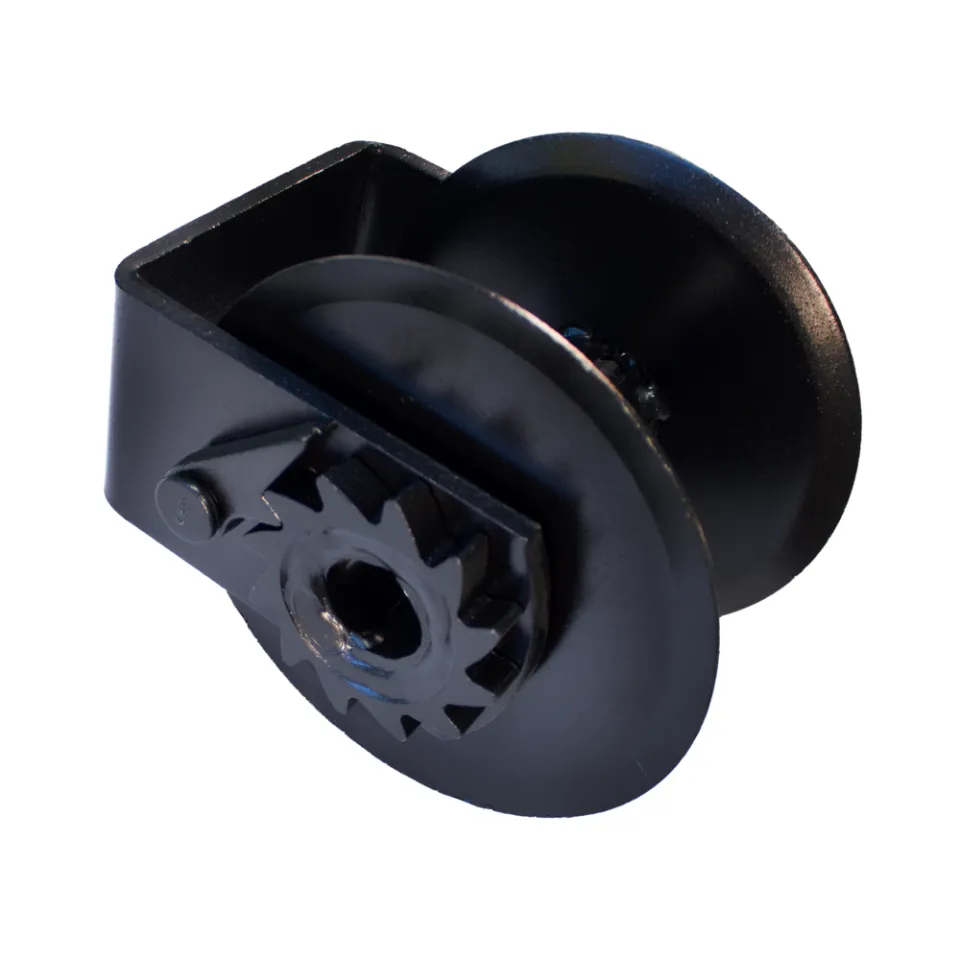
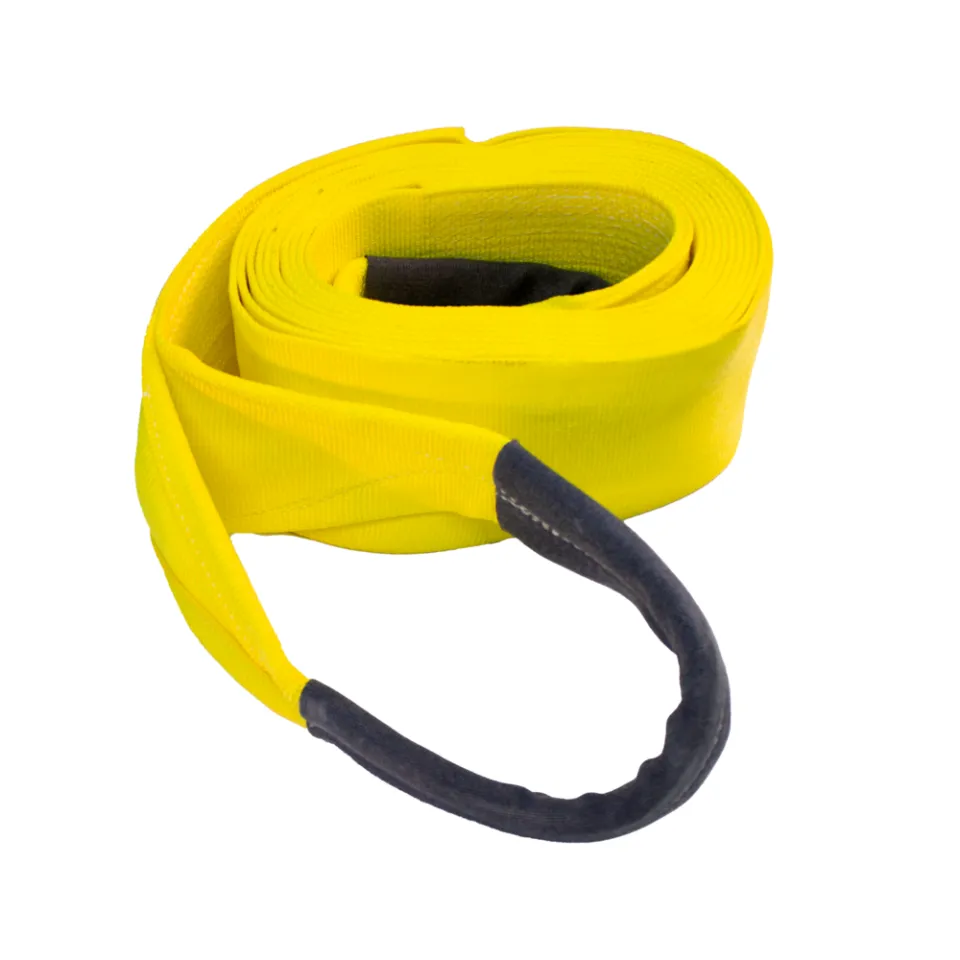
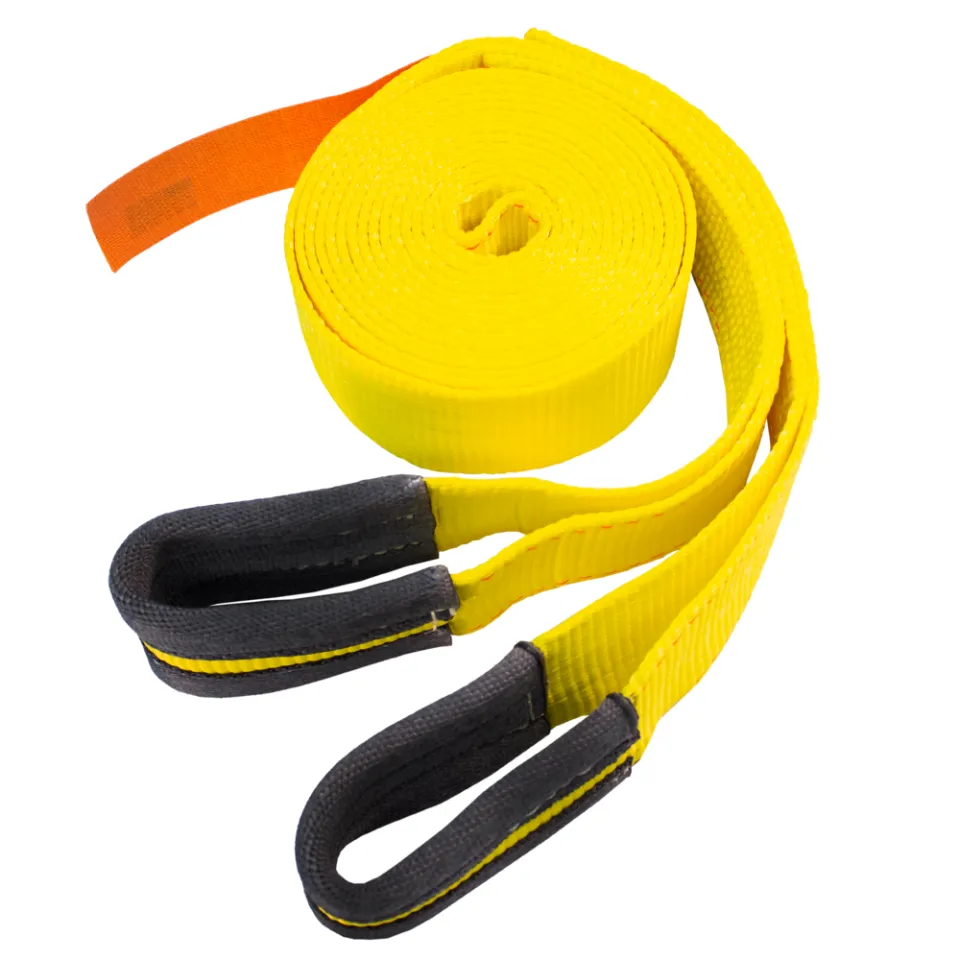
Winch straps and ratchet straps both secure loads, but their tensioning mechanisms and use cases differ. Recognizing these differences helps you select the right gear for efficiency and safety on every trip.
| Feature | Winch Strap | Ratchet Strap |
| Tension Mechanism | Hand-crank winch | Ratcheting handle |
| Speed of Operation | Faster on long runs | Precise tension control |
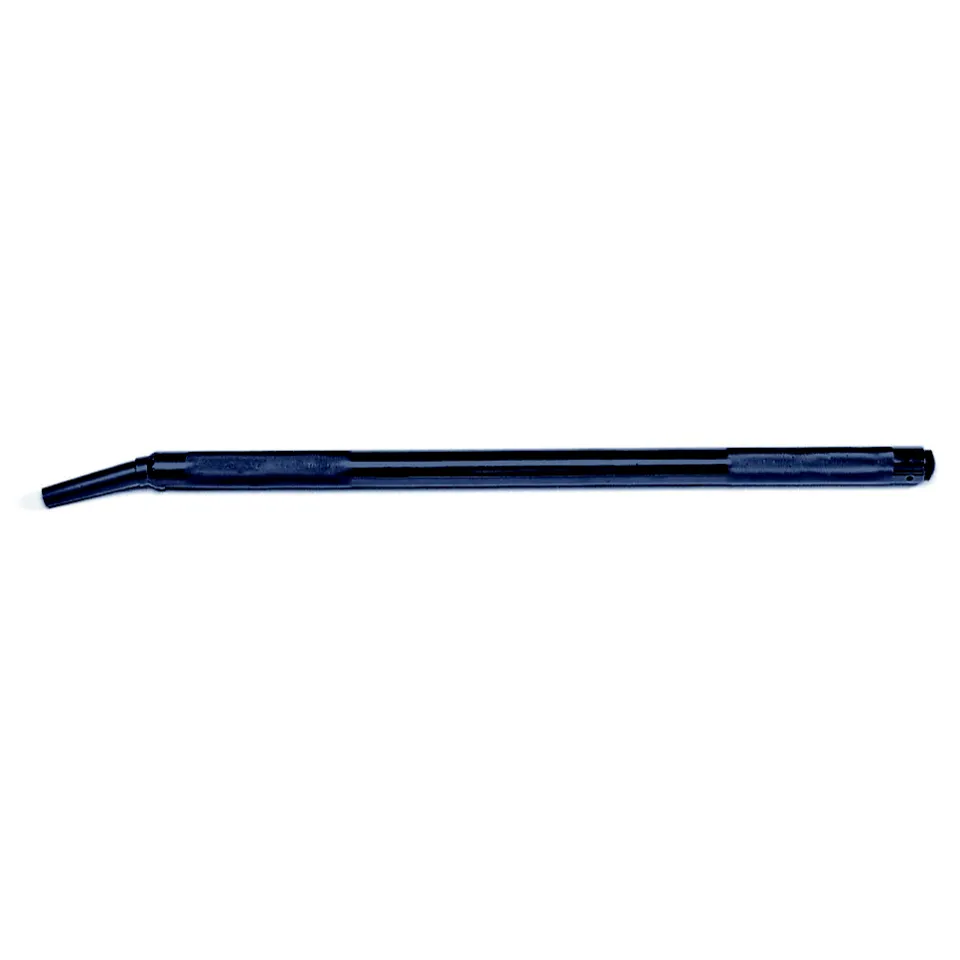
| Portability | Requires winch bar or tool | Fully integrated tool |
What Are the Key Differences Between Winch Straps and Ratchet Straps?
Choose winch straps in these situations:
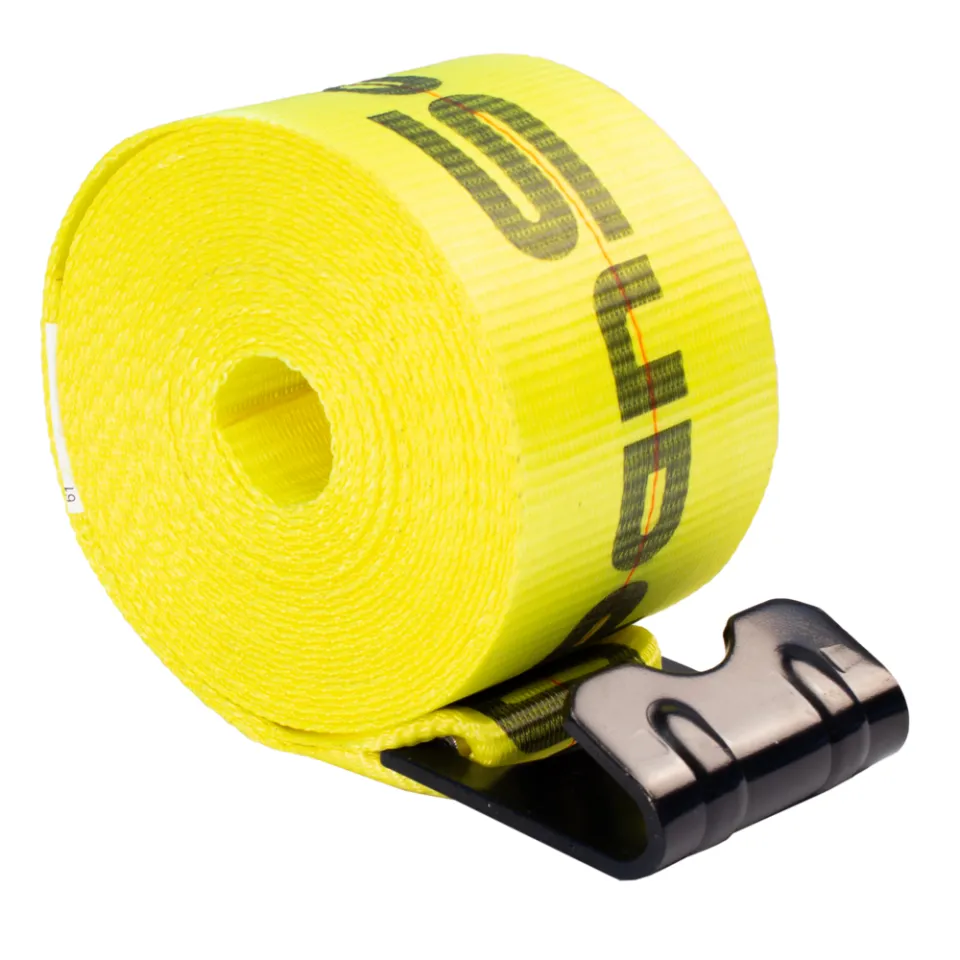
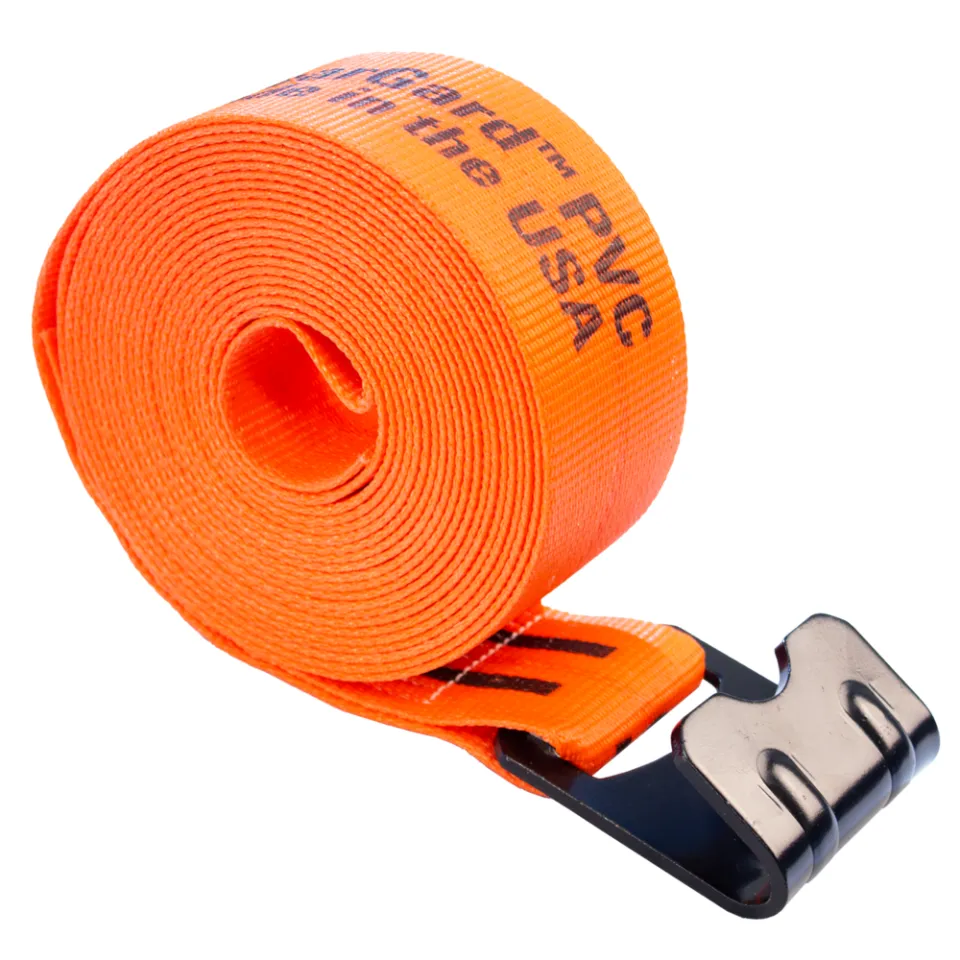
- Loading and unloading heavy equipment where extended length and rapid tensioning matter.
- When securing loads in deep anchor points requiring continuous tension adjustment.
- For operators equipped with mounted or portable winch systems.
Understanding these scenarios ensures you deploy the most efficient tensioning solution.
What Are the Advantages and Limitations of Each Strap Type?
Evaluating benefits and drawbacks helps choose the right gear:
- Ratchet Strap Advantages: portability, precise tension control, integrated tool
- Ratchet Strap Limitations: slower on long straps, potential for over-ratcheting
- Winch Strap Advantages: rapid take-up, suited to deep anchor points
- Winch Strap Limitations: requires extra tool, less precise incremental tension
Knowing these trade-offs allows you to match strap type to transport demands, bridging into regulatory requirements.
What Are the Essential Cargo Securement Regulations for Trucks?
Understanding FMCSA regulations ensures legal compliance and safety. FMCSA Rule 393 establishes minimum tie-down system requirements to prevent load loss and roadway hazards.
What Are the FMCSA Cargo Securement Rules Every Truck Driver Must Know?
Under FMCSA Part 393.100–142:
- Tie-down systems must withstand deceleration forces of 0.8 g forward, 0.5 g rearward and lateral.
- The aggregate WLL of all tie-downs must be at least 50 percent of cargo weight.
- End fittings and webbing must be free of defects and rated per manufacturer specifications.
Adhering to these rules prevents citations and ensures load stability, leading into specific tie-down counts.
How Many Tie-Downs Are Required for Different Types of Loads?
Tie-down quantity depends on cargo dimension and type:
- Cargo ≤ 5 ft wide: minimum 1 tie-down.
- Cargo > 5 ft to ≤ 10 ft wide: minimum 2 tie-downs.
- Steel coils or drums: one tie-down per 10 ft of cargo length plus one.
- Vehicles: four tie-downs—two front, two rear.
Applying these ratios keeps you within legal limits and guides you on violation avoidance strategies..
How Do You Avoid Common Cargo Securement Violations?
Prevent violations through proactive measures:
- Document WLL calculations and strap inspections.
- Use only DOT-compliant webbing and fittings.
- Avoid twisting straps or hooking to unsecured cargo features.
- Retain inspection logs and training records.
These actions reduce violation risk and segue into how American Xpert solutions simplify compliance.
How Do You Perform Advanced Cargo Control and Flatbed Tie-Down Techniques?
Advanced tie-down methods combine specialized tools and techniques for unusual or oversized loads. Mastering these practices optimizes load stability and driver safety.
What Are the Best Practices for Securing Heavy Equipment on Flatbeds?
Expert operators apply these techniques:
- Use four-point tie-down patterns on machinery with low centers of gravity.
- Engage both front and rear anchor points to counter longitudinal forces.
- Block wheels with chocks secured by straps or chains.
- Employ spreader bars or E-Track to distribute strap pressure.
These methods secure heavy machinery firmly and introduce accessory integration strategies.
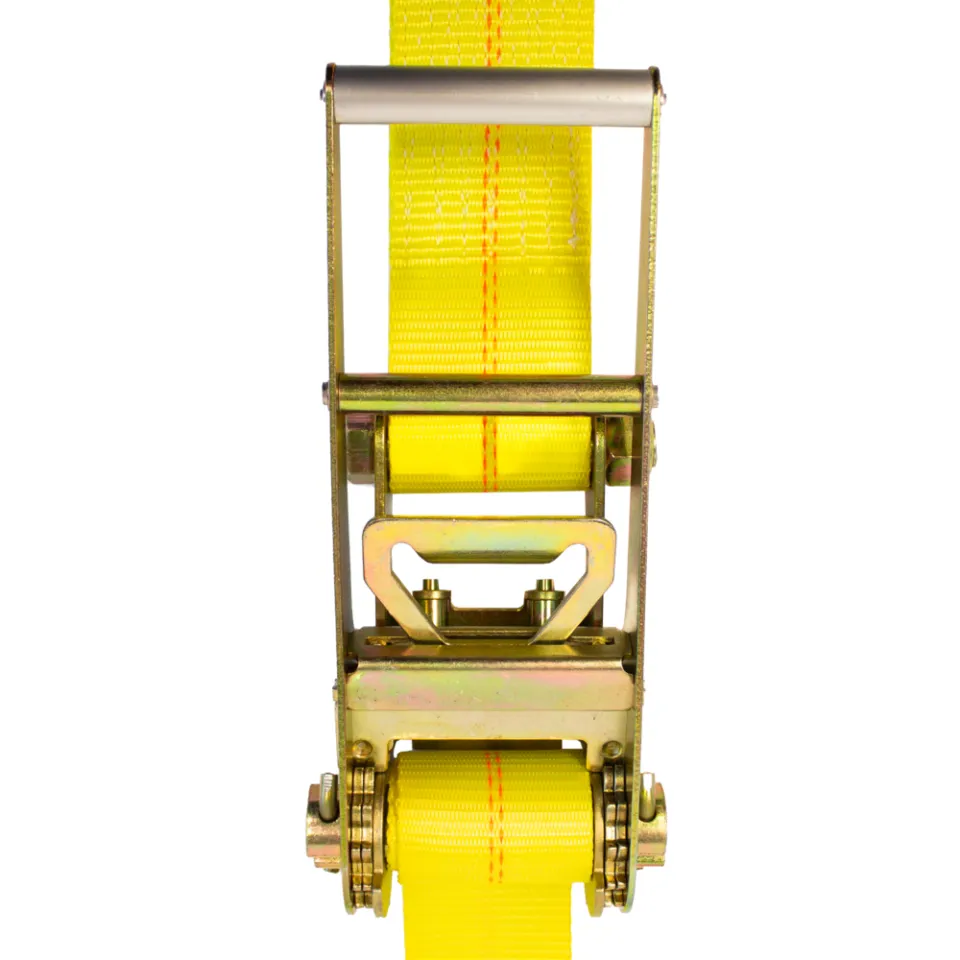
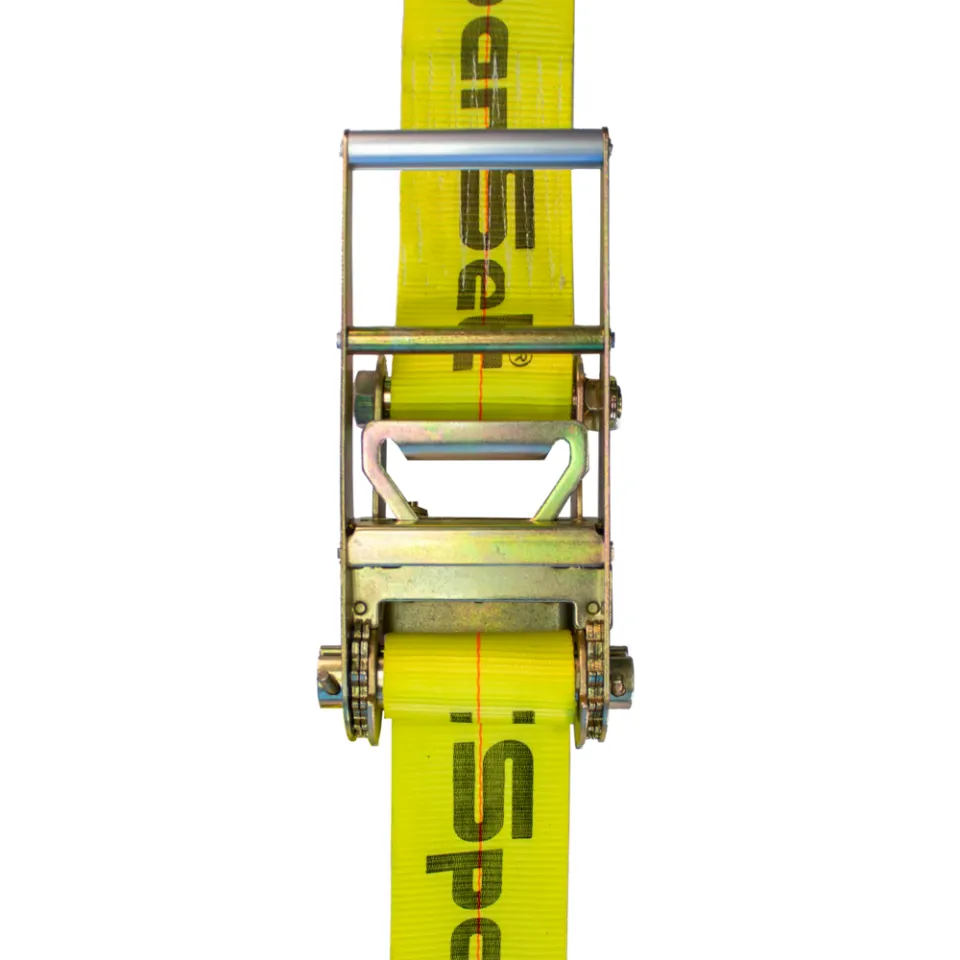
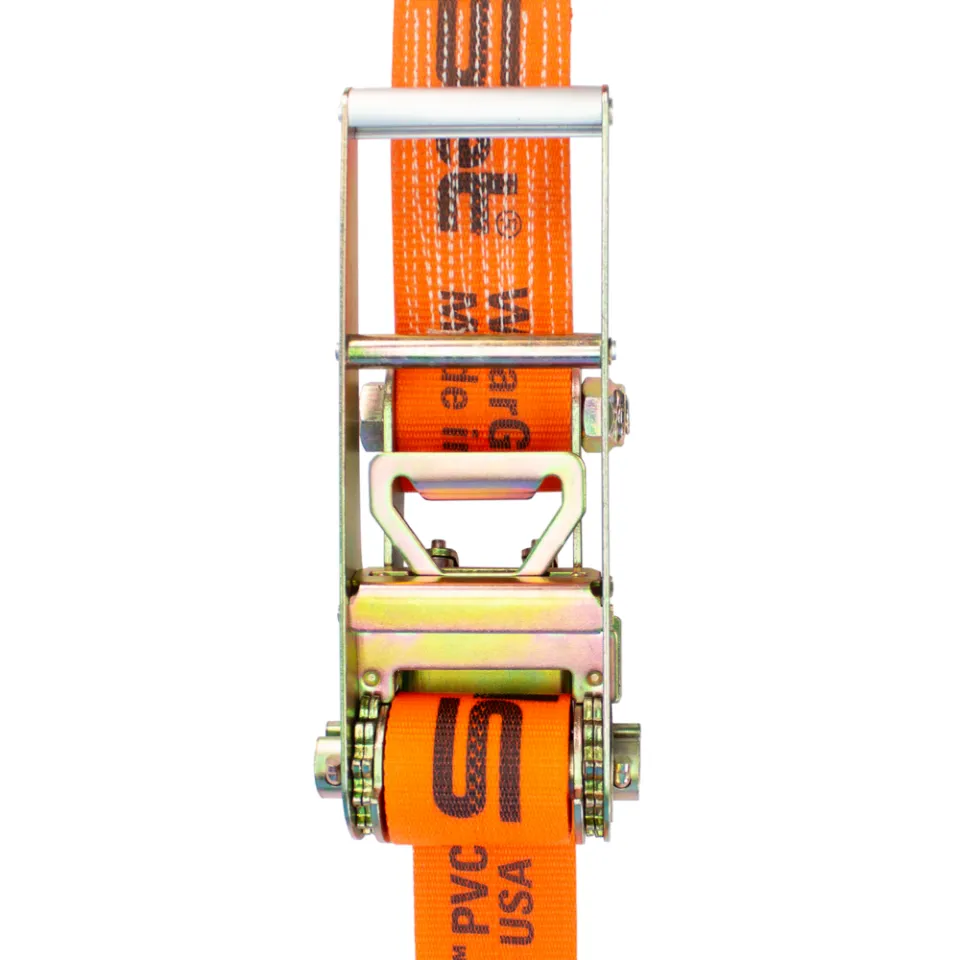
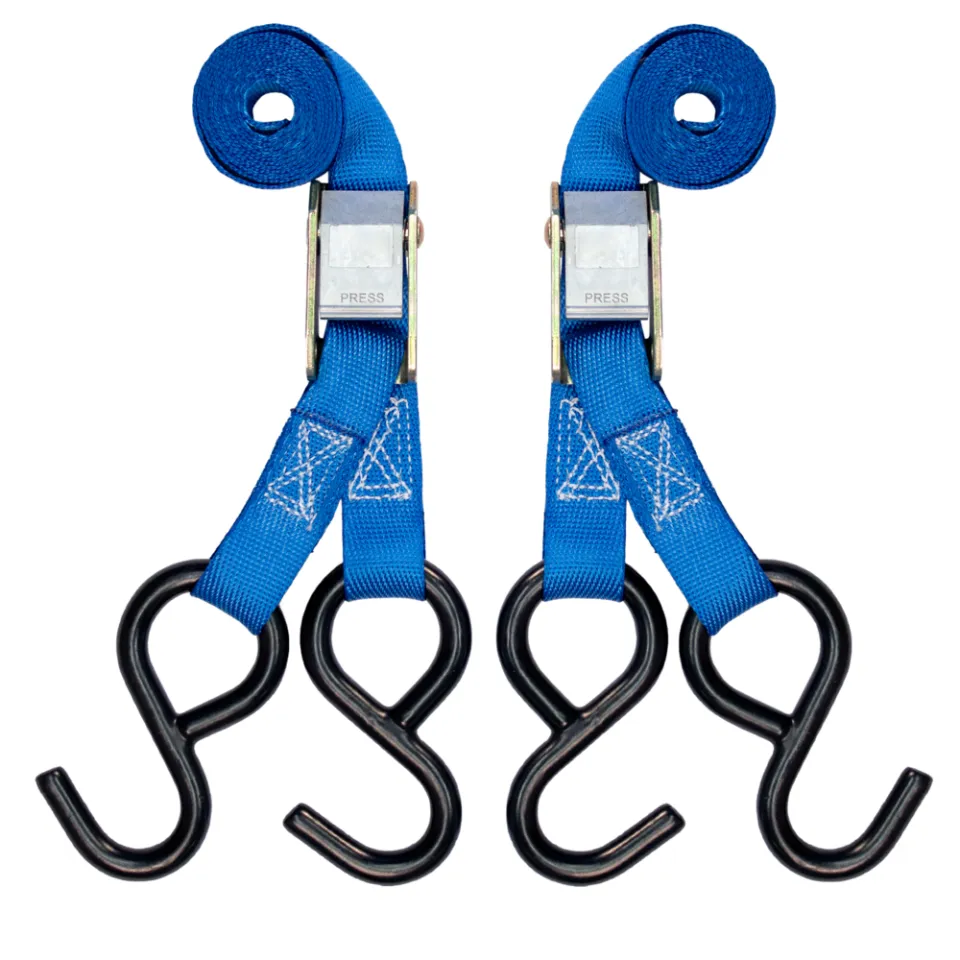
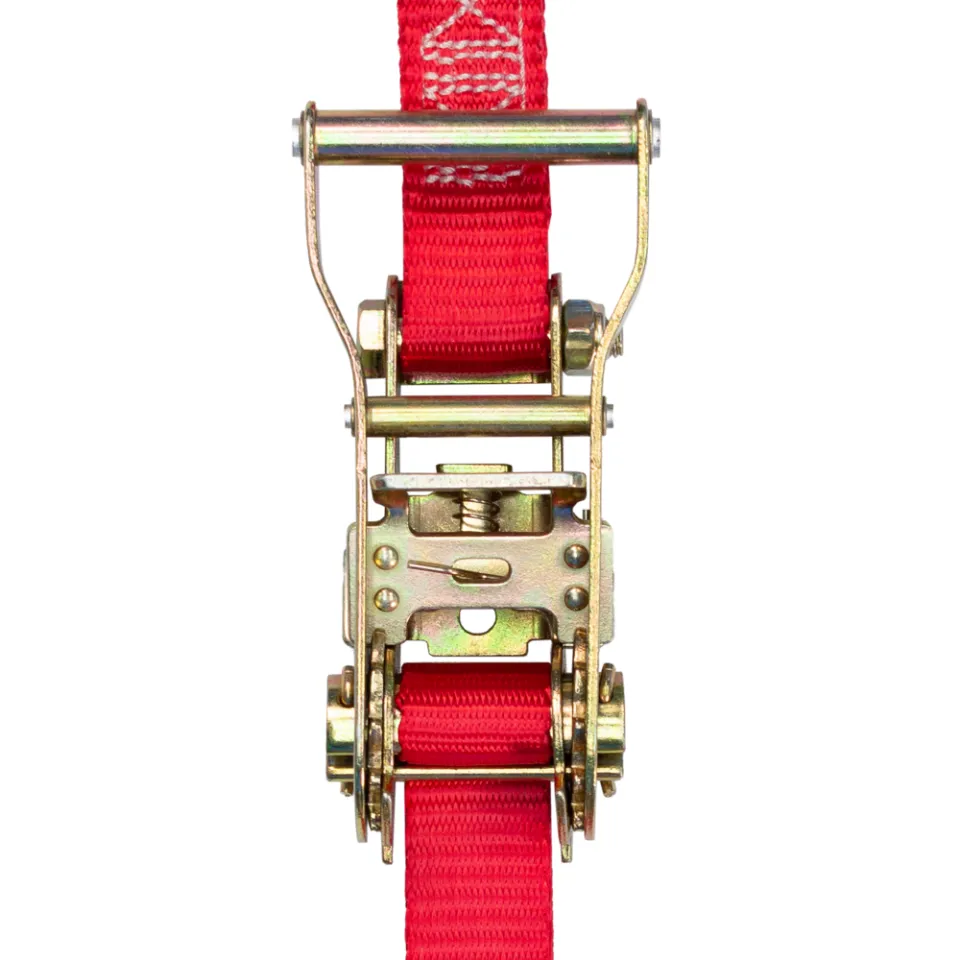
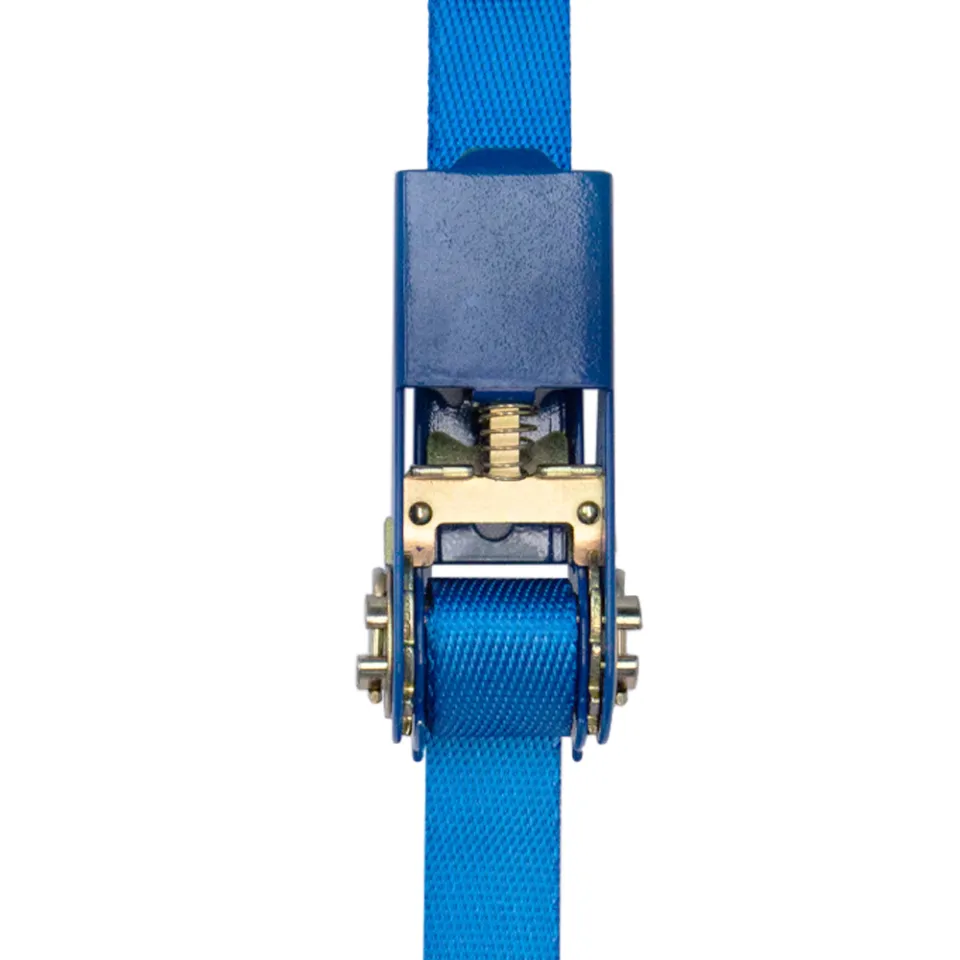
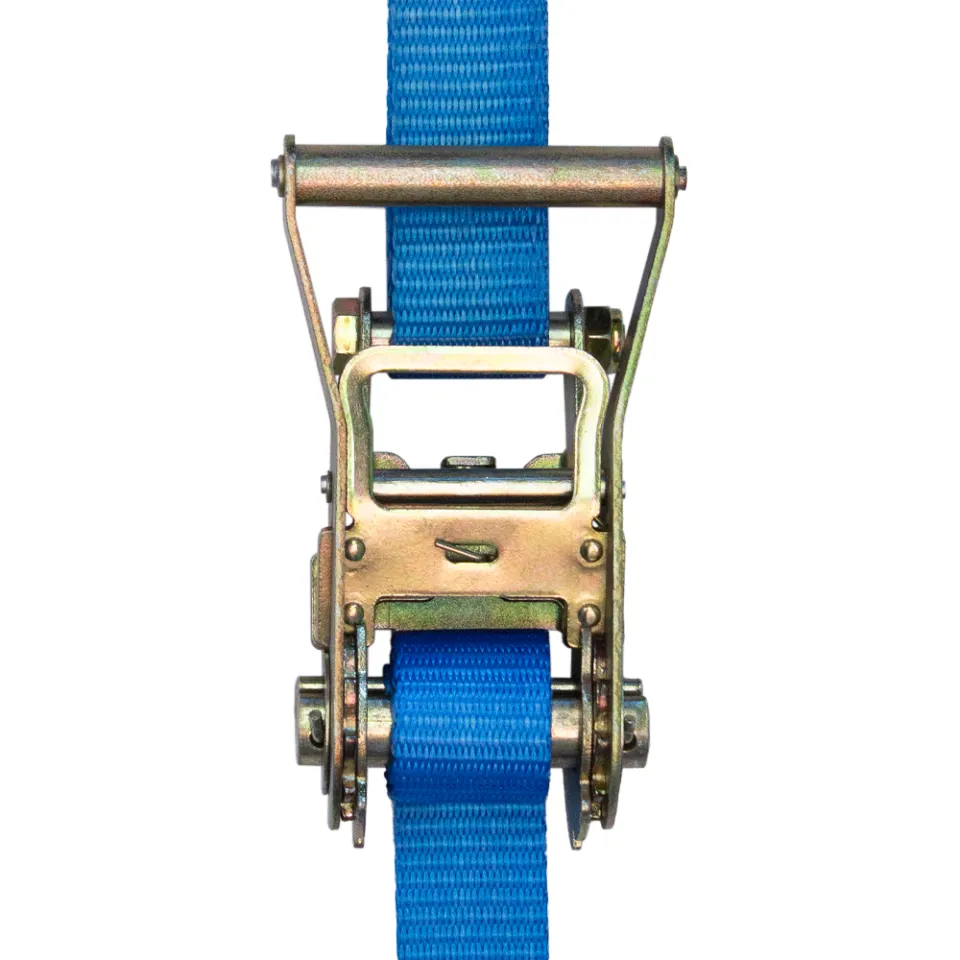
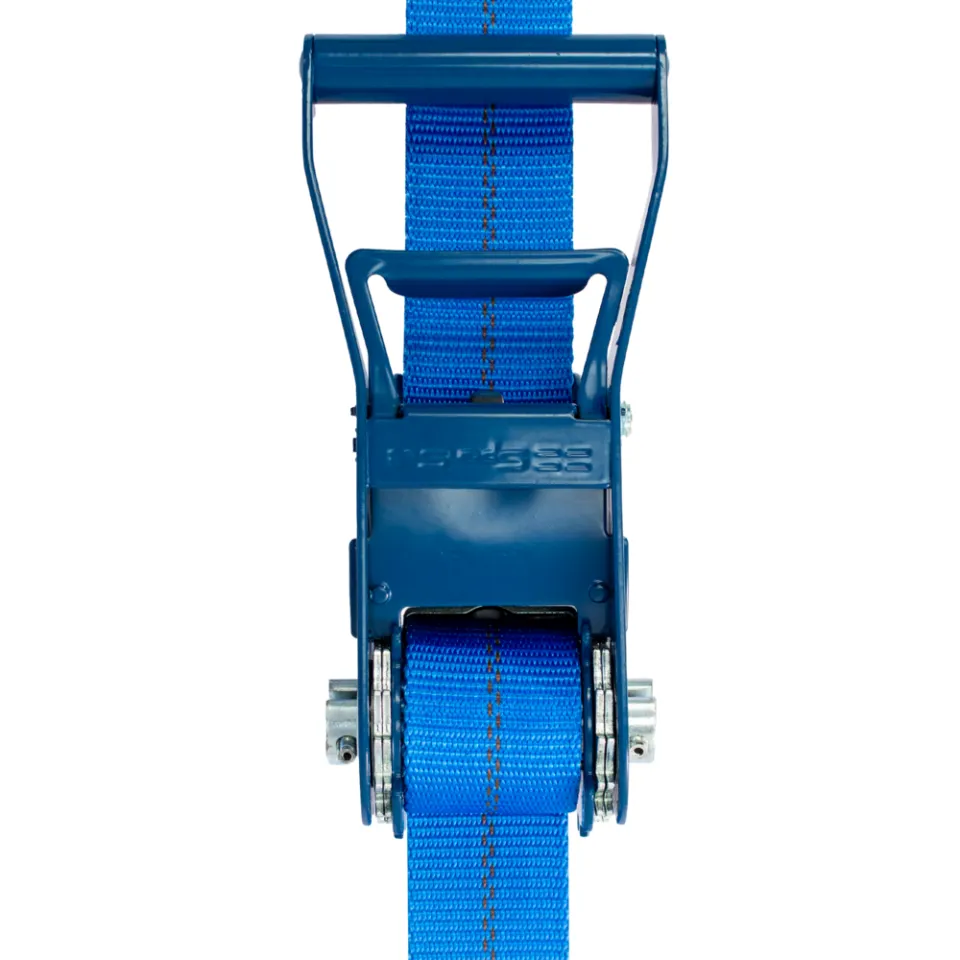
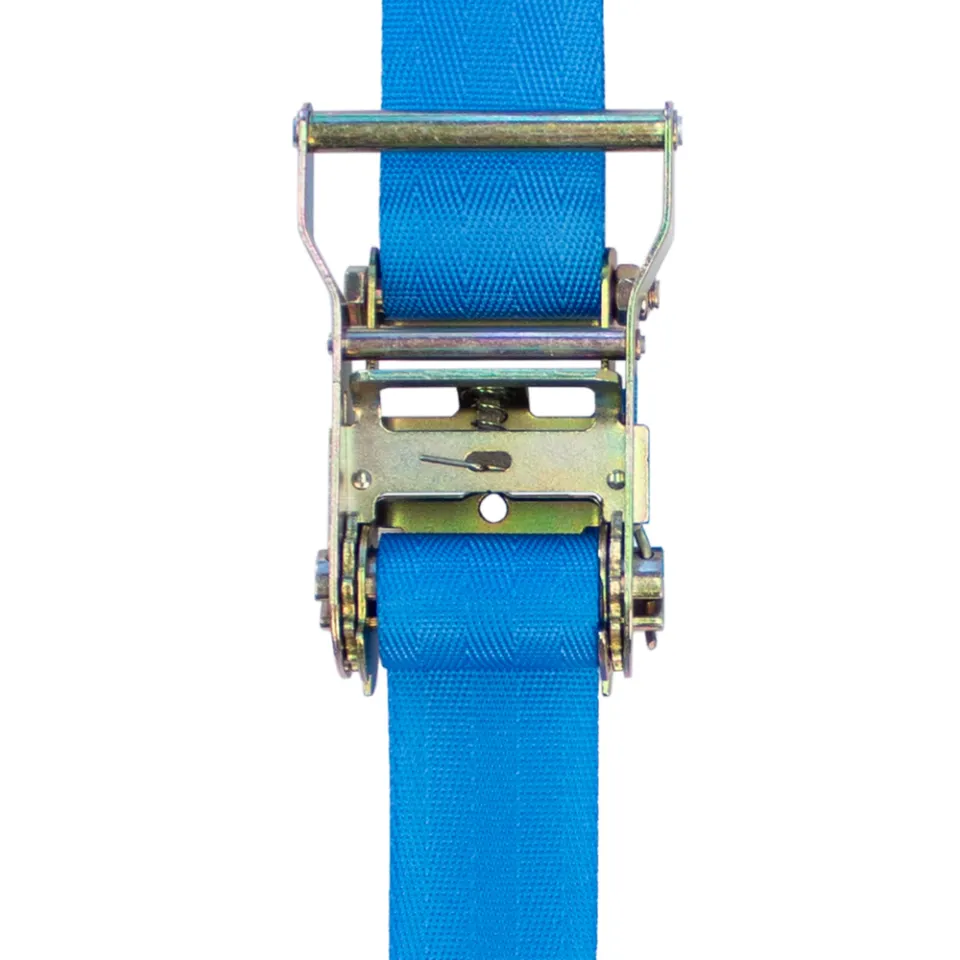
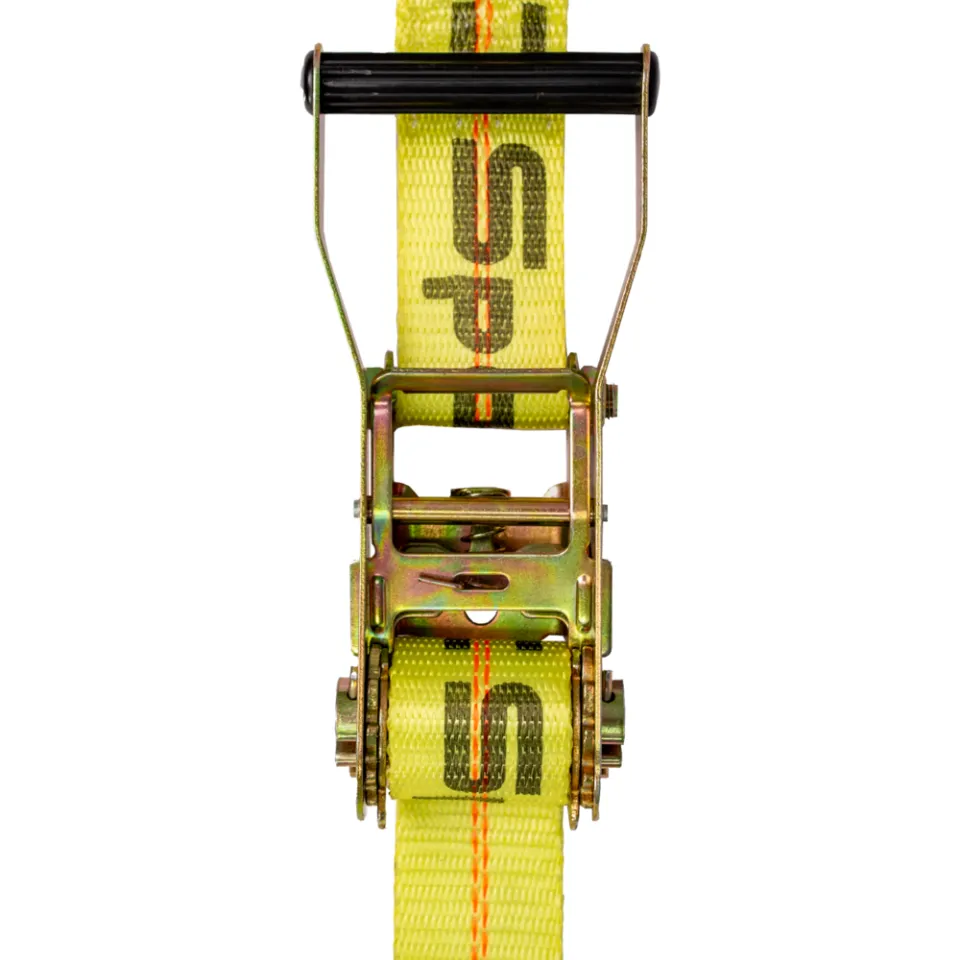
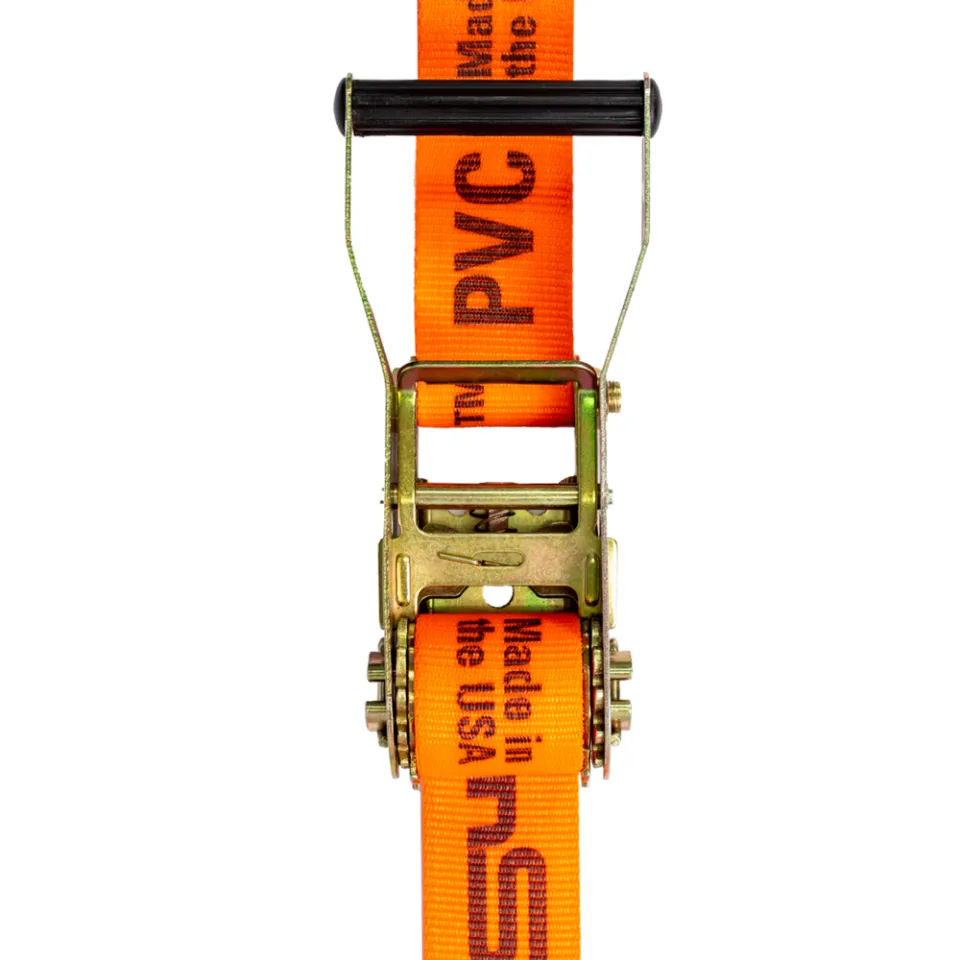
Ratchet Strap Safety Tips
How to Use a Ratchet Strap:
Properly securing your cargo is critical for safe transportation. Our How to Use a Ratchet Strap Guide provides step-by-step instructions to ensure your loads stay in place.
Remember!
If you find any damage, remove the ratchet strap from service right away.
Download this and other guides on our NEWS page
How Do You Perform Advanced Cargo Control and Flatbed Tie-Down Techniques?
Advanced tie-down methods combine specialized tools and techniques for unusual or oversized loads. Mastering these practices optimizes load stability and driver safety.
What Are the Best Practices for Securing Heavy Equipment on Flatbeds?
IExpert operators apply these techniques:
- Use four-point tie-down patterns on machinery with low centers of gravity.
- Engage both front and rear anchor points to counter longitudinal forces.
- Block wheels with chocks secured by straps or chains.
- Employ spreader bars or E-Track to distribute strap pressure.
These methods secure heavy machinery firmly and introduce accessory integration strategies.\
How Do You Maintain and Inspect Cargo Control Gear for Long-Term Safety?
Regular maintenance extends strap life and keeps your fleet safe. Proper care reduces replacement costs and prevents unexpected failures on the road.
What Are the Signs of Wear and Damage in Ratchet and Winch Straps?
Look for these indicators of compromised gear:
- Fraying or fiber separation along edges.
- Stiff spots or discoloration from chemical exposure.
- Bent or cracked buckles and end fittings.
- Difficulty operating ratchet mechanisms or winch drums.
Recognizing these signs prompts timely replacement, guiding you to an inspection schedule.
How Often Should You Inspect and Replace Cargo Control Gear?
Follow this maintenance rhythm:
- Pre-trip inspections before every use.
- Comprehensive inspections every 90 days or after 25 hours of use.
- Replace straps immediately when any damage is detected.
Adhering to this schedule keeps your equipment in top condition and introduces proper storage practices.
What Are the Best Practices for Storing and Caring for Straps?
Extend strap longevity by:
- Hanging straps in a cool, dry location away from sunlight.
- Cleaning webbing with mild soap and water; avoid harsh chemicals.
- Lubricating ratchet mechanisms annually with light machine oil.
- Coiling straps neatly to prevent kinks and abrasion.
These storage habits preserve webbing integrity and support consistent performance during every use.
What Frequently Asked Questions Do Truck Drivers Have About Cargo Control Gear?
This section addresses common concerns around cargo securement to clarify best practices and gear selection.
What Is the Difference Between a Ratchet Strap and a Winch Strap?
A ratchet strap integrates its tensioning handle for incremental tightening, ideal for precise load control. A winch strap relies on a crank or motorized winch to apply continuous tension, suiting heavy equipment and deep anchor points.
How Do You Calculate the Working Load Limit (WLL) for Your Cargo?
Calculate WLL by:
- Determining cargo weight.
- Applying a safety factor of at least two (aggregate WLL ≥ 50 percent of cargo weight).
- Summing individual strap WLLs to meet or exceed half the total load.
How Many Tie-Downs Are Needed for Safe Cargo Securement?
Use FMCSA guidelines:
- One tie-down per 5 ft of cargo width (minimum one).
- eavy or multiple items require additional straps to meet aggregate WLL requirements and prevent shift.
How Do You Use Ratchet Straps to Secure Different Cargo Types?
Adopt these approaches:
- For pallets, center straps over pallet lengthwise and secure to side rails.
- For long pipes or lumber, cross straps in an “X” pattern to prevent roll.
- For vehicles, use wheel chocks and frame-mounted tie-downs at front and rear.
Adapting strap technique to cargo geometry ensures stable transport and completes your mastery of cargo control gear.
Securing loads with the right equipment and methods not only meets regulations but also protects drivers, cargo, and road users. By following these guidelines—from basic ratchet strap use and inspection to advanced flatbed techniques and compliance alignment—you’ll minimize risk and maximize efficiency on every haul. Explore American Xpert’s full range of cargo control gear to equip your fleet with solutions designed for professional performance and safety.
Contact Us
At AmericanXpert, we value your inquiries and are committed to providing professional, customer-focused assistance. Please fill out the form below, and our friendly, knowledgeable team will respond promptly to address your needs. We look forward to helping you with any questions or concerns.